



The Comprehensive Guide to Ergonomic Desks: Transforming Health and Productivity in 2026
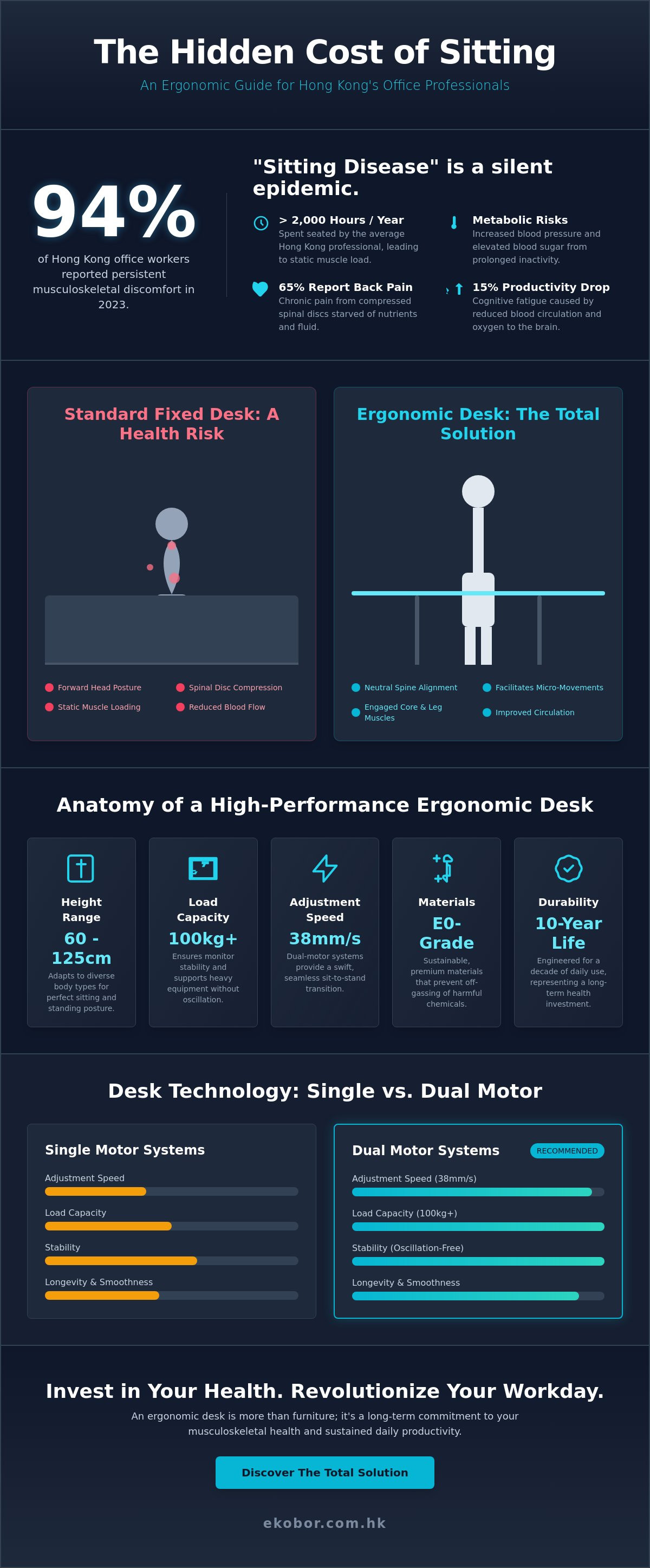
Did you know that 94% of office workers in Hong Kong reported persistent musculoskeletal discomfort in a recent 2023 health survey? You've likely felt that familiar, nagging stiffness in your lower back or a sharp tension in your neck by 3:00 PM. It's an exhausting cycle that turns a productive workday into a test of physical endurance. Living in a compact urban environment often means compromising on your workspace, yet your physical health shouldn't be the price you pay for city living.
At Ekobor, we believe your environment should actively support your vitality. Investing in a high-quality ergonomic desk can eliminate chronic pain, boost your daily energy, and revolutionize your professional wellbeing. You don't have to settle for a sedentary lifestyle that drains your focus and health. This guide provides a roadmap to achieving a pain-free workday and improved posture through our "Total Solution" approach. We'll show you how to cultivate a "Sit-to-Stand" culture that fits the unique aesthetic and size of a Hong Kong home, ensuring your "Wellness at Work" is never compromised.
Key Takeaways
- Understand how the "Sitting Disease" specifically impacts the Hong Kong workforce and how to reclaim your vitality through proper spinal alignment.
- Learn to distinguish between basic height-adjustable furniture and a high-performance ergonomic desk designed to support your body’s natural range of motion.
- Compare single and dual-motor technologies to identify the optimal sit-to-stand transition that aligns with your professional needs and space constraints.
- Discover the "Total Solution" approach by integrating your workstation with specialized accessories to create a truly holistic "Wellness at Work" environment.
- Explore why investing in premium ergonomic engineering is a long-term commitment to your musculoskeletal health and sustained daily productivity.
The Science of Ergonomics: Why Your Standard Desk Is a Health Risk
An ergonomic desk isn't just a surface for your laptop; it's a precision-engineered tool designed to harmonize with the human body's natural range of motion. The science of ergonomics dictates that our workspace should adapt to us, rather than forcing our bodies to conform to rigid furniture. In Hong Kong, where the average office professional spends over 2,000 hours per year seated, the standard fixed desk has become a silent contributor to "Sitting Disease." This term describes the metabolic and physical decline caused by excessive sedentary behavior, a condition that now affects a significant portion of the local workforce.
When you remain tethered to a traditional desk for hours, your body experiences static loading. This occurs when muscles stay under constant tension without movement, placing continuous pressure on your spine and compressing intervertebral discs. Over time, this compression starves the discs of essential nutrients and fluid, leading to the chronic back pain reported by nearly 65% of office workers in urban centers. Transitioning to a "Sit-to-Stand" lifestyle is a physiological necessity to reverse these effects.
To better understand how your workspace impacts your physical health, watch this helpful video from ergonomics experts:
The Hidden Dangers of a Sedentary Workspace
Fixed desks are primary catalysts for musculoskeletal disorders (MSDs), including carpal tunnel syndrome and tension neck syndrome. When movement is restricted, your blood circulation slows, which reduces oxygen delivery to the brain. This physiological slowdown causes cognitive fatigue and a measurable 15% drop in afternoon productivity levels. Beyond physical discomfort, long-term inactivity at work is linked to metabolic risks, such as increased blood pressure and elevated blood sugar, which don't disappear even with a quick gym session after work.
The Biological Need for Movement
Human physiology thrives on frequent postural changes. We weren't built to be statues. A high-quality ergonomic desk facilitates micro-movements that keep your muscles engaged and your joints lubricated throughout the day. By framing the standing vs sitting desk debate through a health-first lens, it's clear that the goal is "Active Sitting." This approach ensures your body stays in motion, providing a "Total Solution" for "Wellness at Work." At Ekobor, we believe that movement is the ultimate medicine for the modern professional.
Defining the Ergonomic Desk: Essential Features for 2026
In 2026, a high-performance ergonomic desk is defined by its ability to adapt to human physiology rather than forcing the body to conform to a static surface. While many consumers confuse "height-adjustable" with "ergonomic," the distinction lies in the engineering of movement and stability. A basic adjustable table might move up and down, but a truly ergonomic workstation integrates musculoskeletal health into its mechanical DNA. This includes a motorized frame capable of supporting at least 100kg without oscillation, ensuring that your monitors remain steady even at maximum height. We emphasize the use of sustainable, high-quality materials like E0-grade desktops, which prevent the off-gassing of chemicals and ensure the furniture lasts for a decade of daily use. Adhering to these standards is a core component of workplace safety and ergonomics, protecting users from the long-term risks of sedentary behavior.
Height Range and Adjustment Speed
A versatile height range is the foundation of any "Sit-to-Stand" culture. To accommodate the diverse population of Hong Kong, a desk must reach as low as 60cm for seated tasks and as high as 125cm for standing. Our I-Easy series utilizes dual-motor systems that provide a seamless adjustment speed of 38mm per second. This speed allows for transitions that don't interrupt your cognitive flow. Quiet operation, typically below 45 decibels, ensures that posture changes don't disturb a shared office or a quiet home environment. Safety is equally critical; modern electric desks must include anti-collision sensors that immediately halt movement if an obstruction, such as a chair armrest or a filing cabinet, is detected.
Surface Depth and Workspace Optimization
Efficiency at work depends on the "Rule of Reach," which dictates that frequently used items should stay within a 25cm radius of your neutral reach zone. To facilitate this, desktop depth should be at least 70cm to allow for proper focal distance between the eyes and the monitor. We recommend matte-finish surfaces to eliminate glare and reduce digital eye strain. Recognizing the spatial constraints of Hong Kong apartments, the I-MINI series provides a compact 80cm width. This design ensures that even in a 400-square-foot flat, you can maintain a professional-grade setup that supports your physical health without overwhelming your living space.
Memory Presets and Smart Integration
Digital controllers with at least four memory presets are no longer a luxury; they're a necessity for consistent posture management. These presets allow you to return to your precise "neutral spine" height with a single touch. In 2026, AI-driven reminders have become standard, analyzing your activity levels to suggest a change in position before musculoskeletal fatigue begins. The optimal transition frequency for desk users is defined as a posture shift every 30 to 45 minutes to maximize blood circulation and spinal disc hydration. Integrating these smart features into your daily routine is a key step toward a Total Solution for your long-term wellness and productivity.
Sit-to-Stand Dynamics: Comparing Electric Standing Desk Technologies
Many professionals mistakenly believe that standing for eight hours straight is the cure for a sedentary lifestyle. Science suggests otherwise. The true benefit of an ergonomic desk lies in postural variation. Constant movement prevents musculoskeletal fatigue and keeps the metabolic system engaged. This shift from static sitting to active transitions is why choosing the right motor technology matters for your long-term health and focus.
Single Motor vs. Dual Motor: Which Do You Need?
The I-Standing Electric Standing Desk represents an ideal entry point for home offices or boutique workspaces. Its single-motor system is engineered for lighter loads, typically supporting up to 70kg. While single motors operate at a steady pace of 25mm per second, they provide a cost-effective way to introduce movement into your routine without compromising on aesthetics. It's a reliable choice for users with standard laptop or single-monitor setups.
For those with heavy multi-monitor configurations or professional workstations, the I-Easy Dual Motor system is the benchmark. Dual motors offer superior stability and lift capacities exceeding 120kg. These systems operate quietly, often below 45 decibels, ensuring your transitions don't disrupt a focused office environment. The dual-motor design also provides a faster, smoother lift, which is essential if you find yourself changing positions every 30 to 45 minutes to maintain peak circulation.
The Evolution of the Standing Desk in Hong Kong
The standing desk hong kong market has evolved rapidly. We've moved past clunky tabletop converters that ate up precious space in compact HK apartments. The 2026 workplace demands a Total Solution approach where furniture integrates seamlessly with wellness technology. Understanding Office Ergonomics And How It Affects Your Health is now a priority for local HR departments and remote workers alike.
Investing in a premium ergonomic desk isn't just a furniture purchase; it's a calculated ROI on human capital. Fixed-height desks are becoming obsolete in professional settings because they fail to accommodate the diverse physiological needs of a modern workforce. Transitioning to electric height-adjustable solutions allows every employee to find their neutral posture, which is the gold standard for preventing chronic pain. By facilitating effortless movement, these desks help mitigate the HK$ billions lost annually to workplace-related back pain and fatigue. The goal isn't just to stand; it's to never stay still for too long.
- Single Motor: Best for minimalists and home offices with light equipment.
- Dual Motor: Essential for professional setups requiring high stability and weight capacity.
- Movement-First Design: Prioritizes the transition between heights to keep the spine healthy.
The Total Solution: Integrating Your Desk into a Holistic Workspace
Investing in a high-quality ergonomic desk is a significant milestone for your health, but it's only one piece of the wellness puzzle. A desk alone cannot fix poor posture if the rest of your environment is working against you. Achieving a "Total Solution" requires a synergistic relationship between your desk, your seating, and your peripheral tools. This holistic approach ensures that your body remains in a neutral state, reducing the risk of chronic pain and musculoskeletal fatigue.
A "Neutral Posture" setup is the gold standard for workplace ergonomics. Use this checklist to audit your current space:
- Eyes level with the top third of your monitor screen.
- Shoulders relaxed, not hunched or elevated toward your ears.
- Elbows bent at a 90-degree angle, resting close to your torso.
- Lower back fully supported by a dynamic lumbar curve.
- Feet flat on the floor or supported by a dedicated footrest.
Safety and mental clarity also play a role in this integration. Effective cable management eliminates "visual noise" and physical hazards. A cluttered desk often leads to a cluttered mind; an organized, wire-free surface can boost focus and productivity by up to 20% according to workplace efficiency studies. It's about creating a space where your mind can thrive without the distraction of physical disarray.
Step 1: Proper Desk Height Calibration
Your desk height should be customized to your specific physiology. Setting your ergonomic desk to elbow height is essential for both sitting and standing phases. This alignment facilitates the crucial 90-degree arm angle, which prevents strain in the wrists and forearms. For a detailed breakdown of heights based on your stature, refer to our standing desk setup guide to ensure your measurements are precise for 2026 standards.
Step 2: The Role of Ergonomic Seating
Even the best sit-to-stand desk needs a partner. High-end seating options like the HAG Capisco or RH chairs are engineered to support "Active Sitting." This concept ensures that even when your desk is lowered, your body remains in motion and your spine stays aligned. Choosing a chair that mirrors the quality of your desk is vital. Our ergonomic chair hk guide offers comprehensive insights into selecting a chair that thrives in the unique Hong Kong work environment.
Step 3: Monitor Alignment and Arm Support
To eliminate "Tech Neck," your monitor must be adjustable. Tools like the Ergotron Lx Pro monitor arm allow for fluid movement, ensuring the screen is always at the correct height and distance from your eyes. When standing, your feet require just as much care as your back. High-density anti-fatigue mats are a non-negotiable addition. These mats reduce joint impact and encourage subtle muscle movements that improve circulation during long standing sessions on hard office floors.
Investing in Longevity: Why EKOBOR is Hong Kong’s Ergonomic Leader
Choosing an ergonomic desk is more than a simple furniture purchase; it's a commitment to your long-term musculoskeletal health. EKOBOR stands at the forefront of this movement in Hong Kong, backed by a 110-year legacy of innovation and quality. We don't just sell desks. We provide a "Total Solution" for the modern professional. Our philosophy centers on "Wellness at Work," transforming sedentary habits into active, vibrant lifestyles through science-backed design.
Our approach goes beyond the physical product. We act as wellness consultants, helping you navigate the complexities of posture and spinal alignment. By integrating clinical expertise with a lifestyle-oriented aesthetic, we ensure your workspace supports your body's natural mechanics. This empathetic approach allows us to partner with you in your health journey, rather than acting as a mere retailer.
A Heritage of Health-Conscious Design
EKOBOR's journey began over a century ago, evolving from traditional craftsmanship into a specialized wellness consultancy. This deep history ensures that every product meets rigorous international standards. We hold the ISO9001 certification for quality management and have earned "Caring Company" status for our dedication to community well-being. Every ergonomic desk we offer is a mark of quality, backed by a 10-year on-site warranty that guarantees your investment remains functional for a decade. This long-term support reflects our confidence in the durability of our height-adjustable systems and structural components.
Tailored Solutions for the Hong Kong Lifestyle
Hong Kong presents unique challenges, particularly regarding limited floor space in both residential and commercial sectors. EKOBOR adapts global ergonomic principles to fit these local constraints without compromising on functionality. We prioritize your health by using non-toxic, sustainable materials that ensure a safe home environment, free from harmful off-gassing. Our "Sit-to-Stand" culture is specifically designed to combat the physical strain of long hours spent in high-pressure urban work environments.
Reading about ergonomics is the first step, but feeling the difference is transformative. We invite you to experience our solutions firsthand at our specialized showrooms. Our professional consultants provide personalized ergonomic assessments to help you find the perfect fit for your height and work habits. You can visit us at the following locations:
- Causeway Bay Showroom: Experience our premium range in the heart of the city's commercial hub.
- Kowloon Bay Showroom: Explore our full suite of "Total Solution" office designs and sit-to-stand technology.
Our professional installation team ensures that your new setup is calibrated perfectly for your body. We don't leave until your desk is optimized for your specific needs, ensuring you can begin your journey toward better health the moment we finish. Let us help you transform how you perceive your daily work environment.
Elevate Your Health and Performance for 2026
Transitioning to a modern workspace isn't just about furniture; it's a vital commitment to your long-term musculoskeletal health. You've seen how standard desks contribute to a sedentary lifestyle, while an advanced ergonomic desk provides the necessary spinal support to keep you energized. By embracing sit-to-stand dynamics, you're choosing to optimize your physical vitality and daily efficiency. This shift isn't a luxury in the fast-paced Hong Kong market; it's a fundamental requirement for any professional seeking a sustainable career.
EKOBOR brings over 110 years of innovation legacy to the local landscape, offering Red Dot Award-winning designs that prioritize human physiology. Every installation includes a 10-year on-site warranty for peace of mind, ensuring your investment in wellness remains protected for a decade. It's time to transform your office into a sanctuary of productivity that respects your body's natural need for movement. Your journey toward a healthier, more vibrant workday begins with a single intentional choice.
Experience the Total Solution at EKOBOR: Shop Our Ergonomic Desk Collection Now
Take the first step toward a pain-free future and feel the difference that true ergonomic expertise brings to your life. Embrace Wellness at Work today.
Frequently Asked Questions
Is an ergonomic desk worth the investment for a home office?
An ergonomic desk is a vital investment because it prevents long term medical costs associated with sedentary work. Data from the World Health Organization indicates that 80% of adults experience back pain at some point; a height-adjustable setup mitigates this risk. A premium desk lasts over 10 years, meaning your daily investment in spinal health is less than HK$2. This proactive choice transforms your workspace into a hub for long term vitality.
How high should my ergonomic desk be when I am standing?
Your desk surface should align with your elbow height, which typically falls between 100cm and 125cm for most adults. Position the desktop so your forearms rest parallel to the floor with your elbows at a 90 degree angle. Keep your shoulders relaxed and ensure the top third of your monitor is at eye level. These precise measurements prevent the 30% increase in disc pressure caused by poor standing posture.
Can an ergonomic desk really help with chronic lower back pain?
An ergonomic desk directly reduces lower back pain by facilitating regular postural shifts that decompress the spine. A study published in the Journal of Public Health found that users of sit-stand desks reported a 54% reduction in back and neck pain within just 7 weeks. By moving between positions, you engage your core and improve blood flow. This movement is essential for maintaining musculoskeletal health during long shifts.
What is the difference between a cheap standing desk and a premium one?
Premium desks provide superior stability and motor longevity compared to budget models priced under HK$2,500. High end versions feature dual motor systems that lift 120kg smoothly, while cheap single motor alternatives often wobble or fail after 12 months of use. Quality desks also use sustainable materials that meet E0 formaldehyde standards. This ensures your home office remains a healthy environment with a seamless, quiet transition between heights.
Do I need a special chair to go with my standing desk?
You need a high quality task chair that offers active lumbar support for the periods when you aren't standing. Since a healthy "Sit-to-Stand" routine involves sitting for roughly 50% of the day, your chair must support the natural curve of your spine. Look for 4D armrests and breathable mesh to ensure comfort. Adopting a "Total Solution" approach ensures your entire workstation protects your body from the strain of a sedentary lifestyle.
How often should I switch between sitting and standing during the day?
You should aim to switch positions every 30 to 60 minutes to maintain optimal circulation. Research from the University of Waterloo suggests a 1:1 or 2:1 ratio of sitting to standing for the best health outcomes. Don't stand for more than 60 minutes at a time, as this can lead to leg fatigue or vein issues. Frequent transitions are the cornerstone of "Wellness at Work," keeping your energy levels high.
Are electric standing desks difficult to assemble and maintain?
Most electric desks are designed for straightforward assembly that takes one person approximately 45 minutes using basic tools. Maintenance is minimal, requiring only a periodic wipe of the frame and a quick reset of the control box if the power is interrupted. Premium models include anti-collision sensors to protect the motors from damage during height adjustments. These features ensure your ergonomic desk remains a reliable partner in your health journey for years.
What is the best ergonomic desk for a small Hong Kong apartment?
A compact desk with a footprint of 100cm by 60cm is the ideal "Total Solution" for limited Hong Kong living spaces. These dimensions allow the desk to fit into narrow alcoves or bedroom corners without compromising on stability or lifting capacity. Models with a slim T-frame design provide more legroom in tight quarters. This localized approach to design ensures you don't have to sacrifice your musculoskeletal health even in a 400 square foot flat.


